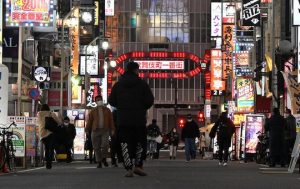
Foreign media decries rise in sex tourism and streetwalkers in Kabukicho
The moral panic over prostitution and sex tourism in Kabukicho continues unabated with a major article in the Guardian, which blames a boom in international tourism to Tokyo on the spike in streetwalkers in the city.
The clients of Japan’s new generation of street sex workers include a rising number of foreign men who learn about Kabuchicho’s dark underbelly through social media and no longer have to worry about the language barrier or unofficial bans on non-Japanese customers at regulated sex shops. Instead, they negotiate directly using smartphone translation apps.
“Japan’s image is changing because of this, and that’s a great shame,” said Arata Sakamoto, the head of Rescue Hub, a nonprofit that supports vulnerable young women in the Kabukicho area.
“But this isn’t a foreigner problem – it’s a problem for Japanese society.”
The article notes that the sex workers charge lower fees than their peers available through more formal fuzoku services like so-called delivery health call girls, soaplands, or pink salons.
The average fee is ¥15,000 (US$95) for an hour, according to campaigners. Extra payments exchange hands for particularly young or attractive women, and as an inducement to have unprotected sex.
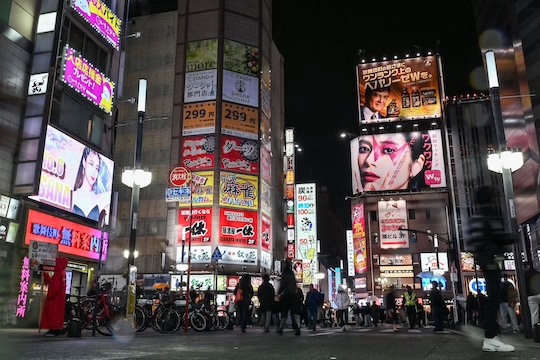
Kabukicho is often described as Tokyo’s biggest red-light district, so prostitution in or near it in places like Okubo Park is hardly a shock. However, the sex workers were usually less visible, hidden away in cars dropping them off outside the love hotels or inside brothels down the side streets.
The current wave of tachinbo streetwalkers emerged during the pandemic and quickly became a big talking point on social media, especially because many seemed so young. Predatory host clubs were blamed for putting such vulnerable women in debt and then actively encouraging them to sell their bodies to pay back the money.
The rise of so-called Toyoko kids, delinquents gathering in the eponymous plaza area of Kabukicho, are also another source of prostitution and exploitation. This is also far from a new phenomenon in its own right, but the numbers may be more prominent now and the visibility is stark, not least because it contrasts so spectacularly with the new gentrification of Kabukicho that has attempted to turn it into a tourist- and family-friendly district.
Despite police crackdowns, streetwalkers are still in the area, even if they have shifted away from Okubo Park.
The most significant move by the authorities may be legal. The government is likely to introduce a bill that would change the law so that paying for sex becomes illegal (currently, the law only has repercussions for the sex worker and the service provider). However, it may not be enforceable, and we may also just see a further spike in women using compensated dating apps instead of plying their trade on the streets.
But that would at least be less visible, and we suspect the visibility of young, vulnerable women hanging around Kabukicho looking for clients is what’s driving the authorities’ concern. Some estimates say half of men in Japan are have used sex workers, so it’s likely not moral qualms among locals, but rather fears about the foreign gaze on Japan.
There are benefits to open prostitution. In another recent article, Teppei Kasai and Stacey-Leigh Manuel of Human Rights Watch, said that introducing penalties for men who pay for sex would ultimately increase the risks faced by women, because patrons would then want to meet in secret and force the women into even more dangerous situations.
The Guardian article ends with an appeal from a campaigner.
“There has to be more government support,” Sakamoto said. “Unless [women] get help with their rent and other bills, many women will be forced to sell their bodies.”